

Home Blog Page 2

Thriving in Your 30s & 40s: A Holistic Well-being Guide for Black Denverites

Welcome to your dynamic 30s and 40s! This is often a time of building careers, nurturing families, deepening relationships, and perhaps navigating new levels of responsibility. For Black folks here in the Denver Metro Area, this chapter comes with its own unique rhythm, blending city life with the call of the mountains, career ambition with community connection, and personal growth with cultural identity. But amidst the hustle, how do we truly *thrive*, not just survive? It starts with focusing on our holistic well-being.

This guide is designed to be a supportive compass as you navigate these powerful decades. We’re talking about more than just physical health; we’re exploring mental wellness, emotional resilience, the strength found in community, and the joy of personal growth. Let’s dig into how you can prioritize *you* and flourish right here in Denver.

Prioritizing Your Physical Wellness in the Mile High City

Our bodies are our vessels for life, and paying attention to them becomes even more critical in our 30s and 40s. This isn’t about chasing fads, but establishing sustainable practices that support long-term vitality.

Regular Check-ups & Prevention

Don’t skip those doctor’s appointments! Regular physicals, screenings (like blood pressure, cholesterol, and cancer screenings based on age and family history), and dental check-ups are non-negotiable. Building a trusting relationship with a healthcare provider who understands your specific needs is key for Black health in Denver.

Moving Your Body

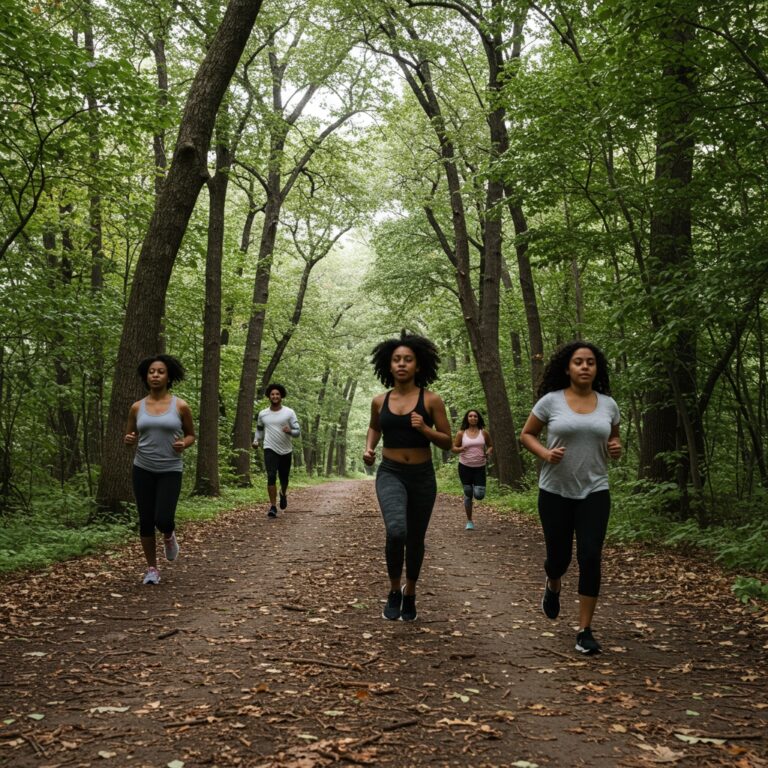
Denver offers incredible opportunities to stay active. Whether it’s hitting a trail in Golden, walking around Wash Park, joining a dance class, or finding a workout buddy, find movement you enjoy. Aim for consistency, not perfection. Physical activity isn’t just for weight management; it significantly impacts stress levels, mood, and sleep.

Nourishment & Rest

Fueling your body with balanced nutrition and getting enough quality sleep are fundamental. Explore Denver’s diverse food scene while making conscious choices. Listen to your body and prioritize rest, even when life feels demanding. These are acts of self-care that pay dividends.

Nurturing Your Mental & Emotional Strength

The pressures of balancing career, family, and personal life can take a toll. Our mental and emotional well-being is just as important as our physical state.

Managing Stress Effectively

Stress is a reality, but how we manage it makes all the difference. Find healthy coping mechanisms – meditation, journaling, talking to a trusted friend, spending time in nature, or engaging in hobbies. Recognize the signs of chronic stress and take action.

Seeking Support & Healing

Talking about mental health is a sign of strength. If you’re struggling with anxiety, depression, burnout, or simply feeling overwhelmed, please know you are not alone. Finding a culturally competent therapist or counselor in Denver can provide a safe space to process challenges and develop strategies for healing. Support groups, whether formal or informal, also offer invaluable connection.

Setting Boundaries

Protect your energy and time. Learning to say no, setting boundaries in relationships and at work, and carving out time for yourself are crucial for preventing burnout and maintaining emotional balance.

The Power of Connection: Building & Maintaining Community

Community is the bedrock of Black culture and well-being. As you move through your 30s and 40s in Denver, nurturing these connections is vital.

Family & Friend Networks

Invest time in your relationships with family and friends. These connections provide support, laughter, and a sense of belonging. Schedule regular calls, dinners, or outings.

Finding Your Tribe in Denver

Seek out spaces and groups where you feel seen, heard, and understood. This could be through professional organizations, community events, cultural centers, faith-based communities, or social groups specifically for Black people in Denver. Shared experiences and mutual support are incredibly empowering.

Giving Back

Contributing to your community can be deeply fulfilling. Volunteering, mentoring, or participating in local initiatives strengthens your connection to Denver and provides a sense of purpose beyond yourself.

Finding Your Flow: Growth, Purpose, and Joy

The 30s and 40s are often a time of reflection and refining your path. What brings you joy? What fuels your purpose?

Career & Personal Development

Whether you’re climbing the corporate ladder, running your own business, or exploring a new path, intentional growth matters. Look for opportunities to learn, develop new skills, and align your work with your values. But also know when to step back and maintain work-life harmony.

Exploring Hobbies & Passions

What did you love to do before life got so busy? Reconnect with old hobbies or explore new interests. Learning an instrument, trying a new sport, painting, gardening – these activities feed your soul and provide valuable downtime.

Living with Intention & Joy

Be present in your daily life. Practice gratitude. Find joy in small moments. Define what success and happiness mean to *you*, outside of external pressures. This is your journey, lived authentically.

Embracing Your Thriving Journey

Thriving in your 30s and 40s as a Black Denverite is a continuous, evolving process. It’s about being intentional with your health – physical, mental, and emotional – while staying deeply connected to your community and your purpose. It requires self-awareness, resilience, and a commitment to prioritizing your well-being.

Remember, you have the power and the resources to navigate this chapter with strength and grace. Lean on your support systems, seek professional help when needed, and celebrate the incredible person you are becoming. Keep exploring, keep connecting, and keep thriving here in the Mile High City.
How Stigma Affects Black Mental Health in Denver

Let’s be real for a moment. In our community, talking about how we’re *really* feeling can sometimes feel heavier than it should. We’ve got resilience in our DNA, a strength forged through generations. But sometimes, that same strength can make it hard to admit when we’re struggling beneath the surface. Especially here in the Denver Metro Area, navigating life can bring its own set of pressures, and when you add the unique challenges faced by Black individuals, the weight of mental health concerns can become significant.

This isn’t just about feeling down sometimes. We’re talking about the very real impact of societal and cultural stigma on Black mental health and overall well-being. It’s time to unpack this weight together, understand how it shows up, and shine a light on paths to healing and support right here in Denver.

What Does Mental Health Stigma Look Like in Our Community?

Stigma around mental health isn’t one-size-fits-all, and in the Black community, it has deep roots. It’s not just external judgment; it’s often internalized, passed down through generations. Think about it:

“Keep it in the family”: The Cultural Silence

For many, mental health challenges were historically seen as a personal failing or something to be kept hidden from the outside world. This cultural norm of privacy, while sometimes protective, can prevent open conversations and shut down avenues for help.

“Pray it away”: Spirituality vs. Professional Help

Faith and spirituality are cornerstones for many Black families, and rightly so. However, sometimes the message can be that faith alone is the *only* answer for emotional distress, leading to skepticism or dismissal of professional mental health care like therapy or counseling.

Misinformation and Mistrust

Generations of systemic racism and mistreatment within healthcare systems have created valid mistrust. This historical context, coupled with misinformation, can lead to fear and reluctance to seek help from institutions perceived as unsupportive or even harmful.

The Unique Pressures on Black Mental Health in Denver

Living in Denver offers opportunities, but it also presents specific challenges for Black residents. Rapid growth, gentrification, and being a smaller minority population compared to other major cities can contribute to feelings of isolation, displacement, and a constant need to navigate spaces not always built with our experiences in mind. These external pressures, when combined with existing cultural stigma, can create a perfect storm for mental health struggles.

The search for culturally competent care – therapists or counselors who understand our unique background, trauma, and strengths – can also feel like a barrier. Finding someone who “gets it” without having to constantly explain your lived experience is crucial but can take effort here.

How Stigma Impacts Our Well-being

The effects of this silence and judgment are far-reaching, impacting not just our minds but our bodies too. When we bottle things up, it takes a toll:

  • Delayed Help-Seeking: People wait until they are in crisis before considering support, making recovery more challenging.
  • Worsening Symptoms: Ignoring or minimizing mental health issues allows them to fester and intensify.
  • Physical Health Problems: Chronic stress, anxiety, and depression can manifest physically, contributing to higher rates of conditions like hypertension and heart disease within our community.
  • Isolation: Fear of judgment can lead to withdrawing from friends, family, and community, removing vital support systems.
  • Internalized Shame: Believing the negative stereotypes about mental illness can erode self-esteem and make it harder to heal.

Breaking the Chains: Finding Healing and Support in Denver

The good news? We have the power to shift this narrative. Healing and support are available, and actively seeking them is an act of profound strength and self-love. Here are ways we can push back against stigma and prioritize our Black mental health and well-being in Denver:

Talk About It (Safely):

Start small. Share your experiences with trusted friends or family members who are open to listening without judgment. Normalizing these conversations is key.

Seek Culturally Competent Care:

Look for therapists, counselors, or mental health practitioners in the Denver area who specialize in Black mental health or have experience working with the Black community. Resources exist to help you find the right fit.

Connect with Community:

Find local groups, organizations, or community spaces where you feel seen, heard, and understood. Sometimes just being around people who share your background can be incredibly healing.

Utilize Available Resources:

Denver has mental health resources, from community centers to non-profits focusing on specific needs. Don’t be afraid to explore what’s out there.

Prioritize Self-Care:

This isn’t selfish; it’s essential. Find what nourishes your spirit – whether it’s movement, creativity, nature (Denver has plenty!), or quiet reflection. Make it a non-negotiable part of your routine.

Unpacking the weight of stigma is a journey, not a destination. It requires courage, community, and access to the right resources. Prioritizing your Black mental health in Denver isn’t just about overcoming challenges; it’s about thriving, honoring your resilience, and building a future where well-being is not just possible, but expected. You are not alone, and seeking support is a sign of incredible strength. Let’s continue to lift each other up and create spaces where healing is celebrated, not hidden.

How Fitness Builds Mental Strength in Black Young Adults

Life moves fast in the Denver Metro Area, and navigating career goals, relationships, community expectations, and the unique challenges faced by Black young adults (ages 25-45) can take a significant toll on our mental well-being. When we think about fitness, the first things that often come to mind are physical benefits – weight loss, muscle gain, heart health. While these are incredibly important aspects of Black health and well-being, the true power of movement extends far beyond the physical. This isn’t just about looking good; it’s about feeling strong, resilient, and centered from the inside out. Let’s explore how dedicated physical activity becomes a powerful tool for building mental strength and enhancing overall wellness for us, right here in our community.

More Than Sweat: Fitness as a Powerful Stress Reliever

Let’s be real – stress is a constant in today’s world. For Black young adults, this can include the added weight of systemic pressures, microaggressions, and historical trauma, alongside daily life stresses. Your workout, whether it’s hitting the trails near the foothills, attending a dance class downtown, or lifting weights at your local gym, is a proven antidote.

Physical activity triggers the release of endorphins, those feel-good chemicals in your brain that act as natural mood boosters and pain relievers. Think of it as hitting a reset button. That focused intensity during a workout pulls you out of your head and into your body, offering a much-needed escape from anxious thoughts and worries. Regularly incorporating movement into your routine creates a consistent outlet for processing stress and building resilience against its effects.

Finding Your Rhythm and Release

It doesn’t have to be high-impact to be effective. Find what truly resonates with you – maybe it’s yoga for mindfulness, boxing for releasing frustration, cycling to clear your head, or simply a brisk walk through City Park. The key is finding your rhythm that allows you to de-stress and recenter.

Building Resilience, One Rep (or Step) at a Time

Fitness is inherently about facing and overcoming challenges. Pushing through that last rep, running that extra block, or holding that difficult pose teaches you valuable lessons about perseverance, discipline, and what you’re truly capable of.

This translates directly into mental resilience. When you consistently challenge yourself physically and succeed, you build tangible evidence of your ability to handle difficult situations. This internal proof boosts your confidence and equips you with a stronger mindset to tackle obstacles in your personal and professional life. Navigating the ups and downs of a fitness journey mirrors navigating the complexities of life as a Black young adult – it requires patience, adaptability, and a belief in your ability to keep going, even when it’s tough.

Boosting Confidence and Self-Worth Through Movement

Feeling strong in your body contributes significantly to feeling strong in your mind. As you build physical strength, stamina, or flexibility, you gain a sense of accomplishment that positively impacts your self-esteem.

Seeing progress, no matter how small, reinforces positive self-image. It’s not just about aesthetics; it’s about recognizing your effort, your dedication, and the power you hold over your own physical and mental state. This sense of empowerment is particularly vital for Black young adults who may constantly battle external narratives or expectations. Reclaiming your physical space and health through fitness is a powerful act of self-affirmation and self-worth.

The Power of Community and Connection

Fitness can also be a powerful pathway to building community, which is essential for holistic Black health and well-being. Whether it’s joining a fitness group specifically for Black people in Denver, finding a workout partner, or simply being a regular face at a local studio, shared physical activity fosters connection and accountability.

Working out alongside others who understand your experiences provides a unique form of support. You can share challenges, celebrate victories, and motivate one another. This sense of belonging combats feelings of isolation and reinforces that you are part of a strong, vibrant community dedicated to wellness. Finding spaces where you feel seen and supported while pursuing health goals is incredibly empowering.

Starting Your Journey to Mental Strength

Fitness offers a dynamic, empowering path to building mental strength alongside physical well-being. It’s a tool for managing stress, cultivating resilience, boosting confidence, and fostering vital community connections, especially relevant for Black young adults navigating life in the Denver area. Prioritizing physical activity is not selfish; it’s a fundamental act of self-care and empowerment that strengthens you to show up more fully in every aspect of your life. Take that first step today, beyond the traditional view of fitness, and unlock the powerful mental benefits waiting for you.

Why Punctuality is a Cornerstone of Professionalism in the Black Community

In the fast-paced world of professional life, certain traits stand out as hallmarks of seriousness and capability. Among these, punctuality – the simple act of being on time – holds significant weight. It’s more than just good manners; it’s a fundamental signal of respect, reliability, and readiness. As highlighted in an insightful piece by United Outreach Insights, this principle carries particular importance within the Black community.

Let’s delve into why punctuality isn’t just about watches and schedules, but a crucial element of building a strong professional foundation.

Punctuality as a Statement of Respect and Reliability

At its core, being punctual demonstrates respect for other people’s time. In any professional context – whether it’s a meeting, a job interview, or a deadline – showing up on time (or delivering on time) communicates that you value the commitments you’ve made and the time others have allocated. This builds trust, a vital currency in professional relationships. When colleagues, clients, or potential employers see you as reliable, it paves the way for smoother collaboration and greater opportunities.

Counteracting Stereotypes and Building Reputation

The article on United Outreach Insights points to a crucial dimension: the role of punctuality in navigating and counteracting negative stereotypes. Black professionals often face undue scrutiny and biases. Consistently demonstrating punctuality is a powerful, tangible way to challenge preconceived notions about work ethic or seriousness. It actively builds a reputation based on dependability and professionalism, allowing skills and talents to shine without the shadow of unfair assumptions.

The Foundation for Opportunity

Professional success is often built on small, consistent actions. Punctuality is one of those foundational habits. It ensures you don’t miss crucial information at the start of meetings, allows you to prepare adequately for tasks, and positions you as someone dependable who can be trusted with greater responsibility. Being consistently on time signals readiness and eagerness, qualities that leaders look for when considering individuals for advancement or key projects.

Setting a Standard

Embracing punctuality isn’t solely about how individuals are perceived externally; it also contributes to setting high standards within the community and professional networks. When punctuality is prioritized, it fosters an environment of mutual respect and efficiency, strengthening collective professional endeavors.

In Conclusion

Punctuality is far more than a minor detail; it’s a strategic component of professional success. As emphasized by the discussion on United Outreach Insights, for Black professionals, it serves as a cornerstone – demonstrating respect, ensuring reliability, actively countering stereotypes, and laying the groundwork for greater opportunities. Making punctuality a non-negotiable aspect of one’s professional conduct is a powerful investment in building a successful and respected career.


This blog post is inspired by and draws key concepts from the article “Punctuality is the Cornerstone of Professionalism in the Black Community” published on United Outreach Insights. You can explore their original content here: http://unitedoutreachinsights.com/punctuality-is-the-cornerstone-of-professionalism-in-the-black-community/

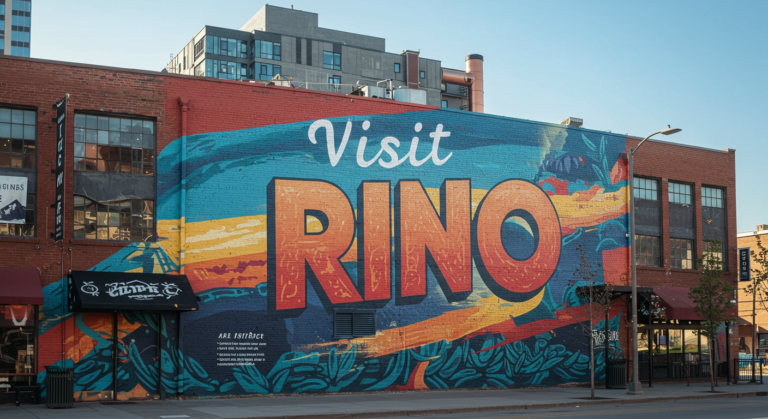
Visit RiNo: A Vibrant Hub of Culture, Art, and Community

Denver’s River North Art District (RiNo) is a dynamic neighborhood that’s constantly evolving, offering a rich tapestry of experiences for everyone. For Black residents, RiNo presents a unique opportunity to immerse yourselves in a thriving cultural scene, support Black-owned businesses, and connect with a diverse community. Let’s explore how Visit RiNo can be your guide to this exciting district.

Why RiNo is a Must-Visit for Black Residents:

RiNo is a place where creativity flourishes, where innovation meets history, and where community thrives. It’s a space where you can find:

  • Artistic Expression: From vibrant murals that tell stories to galleries showcasing diverse perspectives, RiNo’s art scene is a visual feast.
  • Culinary Delights: Explore a range of dining options, from soul food-inspired menus to global cuisines, catering to diverse palates.
  • Community Connection: Discover spaces where you can connect with like-minded individuals, support local businesses, and experience the vibrant energy of the neighborhood.

Navigating RiNo with Visit RiNo:

Visit RiNo is your essential resource for exploring this exciting district. Here’s how to use it:

  • Explore: Start your journey here to discover the diverse attractions RiNo offers. Find art galleries, breweries, restaurants, and more.
  • Eat & Drink: Explore the culinary scene with this section. You will find many different restaurant and bar options. Look for spots with diverse menu’s.
  • Arts & Culture: Immerse yourself in RiNo’s artistic soul. Discover murals, galleries, and cultural events that reflect the neighborhood’s diverse identity.
  • Events: Stay updated on the latest happenings in RiNo, from art walks and festivals to live music and community gatherings.
  • Businesses: Support local businesses, including those owned by Black entrepreneurs and community members.

Experiences Tailored for the Black Community:

  • Support Black-Owned Businesses: RiNo is home to a growing number of Black-owned businesses. Use Visit RiNo’s Businesses section to find and support these local gems.
  • Explore Public Art: Take a self-guided tour of RiNo’s murals, many of which reflect themes of community, identity, and social justice.
  • Attend Cultural Events: Check the Events page for festivals, art walks, and community gatherings that celebrate Black culture.
  • Connect with Local Creatives: Visit galleries and studios to engage with Black artists and creatives who are shaping RiNo’s artistic landscape.
  • Find Soul Food and Diverse Cuisine: Explore the RiNo Restaurants section and find restaurants that offer soul food, Caribbean cuisine, and other culinary delights that resonate with the Black community.

Why Visit RiNo is Your Go-To Guide:

Visit RiNo provides accurate and up-to-date information, making it easy to plan your visit and discover hidden gems. By using this resource, you can:

  • Find restaurants and businesses that cater to your interests.
  • Stay informed about upcoming events and happenings.
  • Support the local community.

Enhancing Your Denver/Aurora Experience:

RiNo is a place where you can feel at home, connect with your community, and experience the vibrant energy of Denver’s art scene. By using Visit RiNo as your guide, you can unlock the full potential of this dynamic neighborhood.

Black Joy in the Rockies: Your Guide to Colorado Mountain Water Adventures

Yo, fam! Mountains calling, and they’re filled with crystal-clear lakes, roaring rivers, and epic waterfalls just begging to be conquered. But before you grab your floaties and head to the nearest peak, let’s talk Black Mountain water adventures. This ain’t your average guide – we’re talking inclusivity, cultural connection, and memories that’ll last a lifetime.

Finding Your Flow:

  • Community First: Let’s be real, sometimes the outdoors can feel a little…white. But fear not, fam! Check out groups like Melanin Base Camp and Outdoor Afro for adventures designed by and for Black folks. It’s all about shared experiences, camaraderie, and celebrating nature in our own way.
  • Family Fun: Got the whole crew in tow? No worries! Places like Brainard Lake Recreation Area and Golden Gate Canyon State Park offer gentle hikes, calm waters for paddling, and plenty of space for picnics and laughter. Think BBQs by the lake, water balloon fights, and stories shared under starry skies.
  • Thrill Seekers: Craving adrenaline? Colorado’s got your back. Whitewater rafting on the Arkansas River will have you screaming with joy (and maybe a little fear), while kayaking down Clear Creek offers a scenic adventure with rapids to test your skills. Just remember, safety first!

Water Warriors:

  • Stand-Up Paddleboard (SUP) Supremacy: Imagine gliding across glassy lakes, soaking in the mountain views, and feeling the sun on your skin. Lake Dillon and Echo Lake are SUP havens, offering rentals and lessons for beginners. Bonus points for perfecting your yoga poses on the board –Namaste in nature, y’all!
  • Fishing Frenzy: Cast a line and connect with your inner angler. Williams Fork Reservoir is a fisherman’s paradise, teeming with trout and kokanee salmon. Just remember to get a license and respect the natural environment. Pro tip: Catch and release is always a good choice!
  • Dive Deep: Take the plunge with scuba diving in Grand Lake. Explore underwater shipwrecks, discover hidden coves, and witness the magic of life beneath the surface. It’s an adventure you won’t forget!

Beyond the Water’s Edge:

  • Hiking for the Soul: Mountains ain’t just for paddling and splashing. Lace up your boots and explore breathtaking trails like Emerald Lake or Mount Falcon Park. Breathe in the fresh air, reconnect with nature, and feel the power of the mountains move your spirit.
  • Cultural Connections: Immerse yourself in the rich history and culture of Colorado. Visit Black American West Museum in Denver or Historic Central City to learn about the Black pioneers who shaped the state. These stories are powerful reminders of our resilience and strength.
  • Stargazing Magic: Escape the city lights and marvel at the Milky Way from a mountaintop. Rocky Mountain National Park and Great Sand Dunes National Park offer incredible dark sky experiences. Download a stargazing app, grab a blanket, and get ready to be awestruck by the universe.

Remember:

  • Leave No Trace: Respect the environment by packing out all your trash, staying on designated trails, and protecting wildlife. Let’s keep these mountains clean and beautiful for generations to come.
  • Safety First: Always wear proper gear, check weather conditions, and let someone know your plans. The mountains are amazing, but they can be unpredictable. Be prepared and stay safe, fam!
  • Embrace the Journey: This ain’t just about the destination, it’s about the experience. Laugh, sing, share stories, and connect with your loved ones. These moments will be the ones you cherish most.

So, Black fam, grab your sunscreen, your adventurous spirit, and your melanin-poppin’ smiles. The Colorado mountains are calling, and they’re ready to share their magic with you. Let’s go make some memories that’ll ripple through generations!

P.S. This guide is just a starting point. Explore, discover, and create your own Black mountain water adventures. Share your experiences with the hashtag #BlackMountainJoy and let’s inspire each other to keep exploring, keep connecting, and keep showing the world the beauty of Black joy in the wild!

#BlackMountainJoy #ColoradoAdventures #MelaninBaseCamp #OutdoorAfro #GetOutside

Examining Black Denver’s Disparities

We’ve been on this journey together, shedding light on the hard truths and hopeful changes in mental health. It’s time to wrap things up, and the question is: Can we trust what the numbers are telling us about Black mental health disparities in our own home, Denver?

By the Stats: Where Denver Fails Black Minds

It’s not always comfy to look at the data, but here’s the deal:

  • Lack of Black therapists in Denver We need more providers who look like us and understand our unique experiences. Just a handful of percentages compared to our population shows something is very wrong here.
  • Higher rates of serious mental illness diagnoses among Black residents of Denver. Are we getting misdiagnosed, or is there a greater root cause no one is paying enough attention to?
  • Lack of accessibility in culturally relevant therapy options here in Denver. Can someone afford and feel understood going to the first option on a list instead of getting someone that really gets them?

Roundup & Real Talk: Pulling It All Together

Over these posts, we’ve spoken about mental health stigmas, the value of community, how reaching for help is truly brave, and where systems are broken. This isn’t about laying blame. It’s about a wake-up call that sparks change.

Here’s my challenge to you, straight and Denver-strong:

“We gotta question everything… those stats, the reasons why people close to us suffer alone, why asking for help seems impossible. That’s how we become the fix for our people, by knowing this ain’t right.”

Change doesn’t start with big headlines, it starts with you and your circle of friends. Talk about this. Hold Denver accountable. Question things. Push for a better future. We get that future by working hard for it.

Let me know your thoughts!

Therapy Match Up: How to Find Help That Actually Helps

Last time we tackled the inner barriers to seeking help. Now, let’s face the fact that navigating the mental health system itself is ANOTHER major hurdle – especially when most providers aren’t set up with us in mind. This guide cuts through the confusion.

Therapy Ain’t Just Lying on a Couch Let’s demystify what therapy CAN be, because there are options:

  • Traditional talk therapy: If you have time/resources for sessions – great. BUT this is where finding the right match is HUGE.
  • Skills-Based Therapy: More focused on managing specific stressors – good if you struggle with anxiety, mood stuff, etc.
  • Group Therapy: Often surprisingly powerful (seeing shared struggle is part of the healing), plus can be more affordable
  • Alternative Healers: Be discerning as NOT all are equal, but some incorporating movement, artistic stuff – that might speak to you

Know Thyself to Know What to Seek Before searching, get honest with yourself about:

  • Your Budget: Does insurance suck? Are there sliding scale options? This impacts who you even call to be realistic
  • Needs: Are you dealing with major trauma, a need for a diagnosis to get accommodations, etc.? Impacts types of providers you prioritize.
  • Preferences: Do you WANT traditional 1-on-1 talking? Groups scare you? Be bold about saying this upfront as some approaches just won’t jive.

Your Interview Questions ARSENAL Calling intake lines is daunting. Prep like a job hunt:

  • “Do you specialize in concerns common in Black populations [and get specific here about what YOU identify with – stress due to discrimination, PTSD from community violence, whatever feels valid.]”
  • “How is your waiting list timeframe?” You have needs now, and months-long waits ain’t helpful
  • “How flexible is your approach [If needing skills-based or out-of-the-box support]?”

It’s NOT About Instant BFF Vibes… But These Matter Therapy is work, so feeling respected, safe, and seen is a non-negotiable:

  • Gut Check: Did they pronounce your name right? Seem interested in who you are beyond a checklist? This ain’t about pampering, this impacts feeling truly in-tune with them
  • Open to Feedback: Good providers can handle you saying if stuff feels irrelevant – the good ones want to be told your culture needs to be respected here!
  • It’s OK to Move On: Not every first try is perfect. Finding your FIT requires not settling out of fear it won’t get better.

Next Post: What If…Therapy Ain’t for Me? We’re diving into alternative wellness pathways. But also…sometimes your best support looks like friends, a faith community, a self-created coping routine… there’s NO shame if traditional forms feel wrong. Let’s build our arsenal wider.

Your Experience Did it suck trying to find therapy? What do you wish you knew back then? Comment, let’s make getting help less of a mystery for your whole community 🧠 💪🏾✊🏿✨

Therapy Ain’t Weakness: Breaking Down Stigma, Honoring Resilience

Let’s be real, fam. Even if we see the numbers and understand how our mental health is impacted by factors outside our control… there are barriers within our own community making it feel impossible to actually go get help. Time to air those out

Those “Harmless” Phrases We Gotta Retire You’ve heard them, we’ve ALL heard them, maybe said them:

  • “Therapy is for white people”: Yikes. Dismisses that our unique experiences need culturally specific care.
  • “You just need to pray harder” – Faith is part of who many of us are, but minimizing emotional pain or writing off therapy like it’s some moral defect is wrong.
  • “Don’t air our dirty laundry”: Generational hush-hush mindset born from needing to survive brutal times…but in 2024? That silence only lets problems fester.

How Stigma HURTS Us

  • Makes folks wait until crisis before getting help – which makes things even worse long-term.
  • Shame about having these problems at all when EVERYONE gets stressed, overwhelmed, and hurting sometimes – that’s human.
  • Isolates us – cutting us off from the very support structures that could make us even stronger as we figure things out.

Strength ISN’T Always What We Think Our ancestors? Masters of resilience in unspeakable circumstances. But resilience ISN’T always sucking it up alone. Let’s rewrite the definition:

  • Strength: Recognizing needing help to face mental burdens so we CAN thrive on all levels.
  • Strength: Honoring ancestors by demanding a healthcare system that serves us right, instead of expecting we adapt to one rigged against us.
  • Strength: Talking openly, being a role model who defies expectations – THAT’s how we create generational change.

We Don’t Walk Alone…Even When it Feels That Way It’s gonna take more than blog posts…it’s building trustful friendships, holding uncles with those old-school mindsets accountable, showing up for therapy even when it’s messy. Healing happens IN community, NOT despite it.

Next Time: Your Roadmap Out of the Stigma Trap We’re giving space to the hard truth here, because denying stigma exists hurts us. Next up, let’s get practical! Ways to speak to someone pushing those toxic ideas, resources if you’re questioning IF that step to getting help is worth it… we’re navigating that together.

Your Voices What’s ONE phrase you’re tired of hearing about mental health? Tell us below – maybe the community can offer up better replacements 💪🏾🧠✊🏿✊🏽✊🏾💪🏿

It’s NOT Just Us: Why Mental Health Care Feels Broken for Black Communities

In our last post, we uncovered the harsh numbers. But to truly change things, we need to go beyond seeing problems… let’s dig deeper into the system perpetuating them. And let’s be real – some truths get messy.

The Trauma We Inherit Let’s not sugarcoat it – the historical trauma of slavery, segregation, and ongoing discrimination doesn’t magically disappear. This manifests in our bodies and psyches in ways many healthcare providers just don’t get:

  • Hypervigilance due to racial profiling or fearing violence
  • Mistrust of healthcare systems fueled by past medical mistreatment
  • Pressure to “be strong” at all costs, passed down for survival, but bottling this up leads to harm

Who’s in the Therapist’s Chair Matters When seeking help, finding therapists who understand these experiences is rare. It’s not just about skin color, but how many practitioners are trained to center cultural aspects in their approach? Without that, we get:

  • Misdiagnoses that miss the core issues, leading to ineffective treatment.
  • Feeling disrespected, not truly heard, leading many to give up even when feeling desperate

“Implicit Bias” – When “Objective” Isn’t Even well-meaning therapists carry unconscious biases. Those might look like attributing genuine distress to anger issues, dismissing concerns due to socioeconomic background, or minimizing pain because Black patients are wrongly assumed to have higher tolerance.

No Quick Fixes, But It’s Bigger Than Therapy Yes, we MUST empower ourselves with skills to navigate the existing mental health systems and find the right providers. But true change also needs:

  • More BIPOC mental health professionals trained at ALL levels
  • Trauma-informed approaches standard, especially in schools and health clinics
  • Healthcare policy shifts addressing root causes like poverty, violence – this affects our minds too!

Don’t Let Messiness Mean Hopelessness This might sound heavy. It IS. But knowing the system is rigged helps us advocate and be smarter when seeking help. It also reminds us community IS healing, fighting for this change IS mental health work.

Next Up… Let’s tackle ways to combat stigma within the Black community. Our strength ISN’T sucking it up in isolation. Join us as we discuss overcoming internal barriers and why asking for help IS actually an act of courage.

Tell Us: In what ways, big or small, have you felt let down by the mental healthcare system? Share in the comments, we’re here to be honest together 👇🏿✊🏿✊🏽✊🏾✊🏿