

Home Blog Page 5

Black Denver, This is Our Time: Rise Up for the Racial Justice Study Bill!

Yo, Denver fam! Your editor here, dropping some fire about a game-changer for our community – the Racial Justice Study Bill for 2024. This ain’t no joke, y’all. This bill has the potential to flip the script on systemic racism in our city, and we need your voices heard loud and clear!

Why the heat? This bill ain’t playing around. It’s about deep-diving into the ugly truth of how racism has impacted every corner of Black life in Denver – from education and housing to healthcare and criminal justice. It’s about exposing the rotten roots and paving the way for real, lasting change.

Think about it:

  • Black kids in Denver are twice as likely to be suspended from school as their white peers. That’s messed up, y’all.
  • Black families in Denver are four times more likely to be denied a mortgage than white families. What’s that even about?
  • Black folks in Denver are 10 times more likely to be incarcerated than white folks. This ain’t justice, it’s a broken system.

The Racial Justice Study Bill is the light at the end of this tunnel. It’ll uncover the facts, expose the disparities, and lay out a roadmap for a more equitable Denver. This ain’t just about us, though. It’s about building a city where every single person, regardless of their skin color, has a fair shot at success.

So, how can we make this happen? We gotta get loud, get organized, and get involved! Here’s the plan:

1. Educate yourself: Dive deep into the bill and its goals. Check out Justice for Black Coloradans’ website (https://justiceforblackcoloradans.com/) and hit up organizations like the Colorado Black Caucus (http://blackcaucusco.com/) and the NAACP Denver Chapter (https://naacpdenver.org/).

2. Spread the word: Talk to your fam, your crew, your neighbors. Share articles, host watch parties, and let everyone know what’s at stake. Use social media like a megaphone and tag #JusticeForBlackColoradans and #RacialJusticeStudyBill.

3. Show up and show out: Attend rallies, hearings, and community meetings. Make your voice heard by your elected officials and let them know you’re watching.

4. Donate your time and skills: Volunteer with organizations working on the bill. Offer your expertise, whether it’s legal research, graphic design, or event planning. Every bit counts!

5. Donate your resources: Every dollar helps fuel the movement. Check out the Justice for Black Coloradans website for ways to contribute.

Black Denver, this is our moment. We’ve been fighting for justice for generations, and this bill is our chance to make a real difference. Let’s rise up together, be the change we want to see, and build a future where Black lives truly matter in Denver.

Remember, the power is in our hands. Let’s make history, y’all!

Stay Black, Stay Strong, Stay United!

Your Editor-in-Chief, Black Health Compass

P.S. Don’t forget to follow us on social media at @BlackHealthComps and join the conversation!

#BlackDenver #RacialJusticeNow #JusticeForBlackColoradans #WeAreTheChange

Kwanzaa: Reclaiming Our Roots, Reimagining the Traditions

As Black Americans, we inherit a rich tapestry of traditions, each one a thread woven into the fabric of our identity. Among these, Kwanzaa stands out as a celebration of our heritage, our values, and our resilience. In a world that often seeks to erase or distort the Black narrative, Kwanzaa reminds us of who we are and where we come from.

Kwanzaa, created by Dr. Maulana Karenga in 1966, is not just a holiday but a cultural practice built on seven core principles known as Nguzo Saba. These principles, each represented by a candle lit during the week-long celebration, guide us towards personal growth and a stronger community.

Nguzo Saba and Their Relevance Today:

  1. Umoja (Unity): This principle emphasizes the importance of coming together as a community, working collaboratively towards shared goals. In today’s world, where division and isolation are prevalent, Umoja reminds us of the power we hold when we stand united.
  2. Kujichagulia (Self-Determination): This principle encourages us to define ourselves and take control of our own destinies. In a society that often attempts to dictate our identities, Kujichagulia empowers us to chart our own course and claim our rightful place in the world.
  3. Ujima (Collective Work and Responsibility): This principle emphasizes the importance of working together to uplift and support our communities. In the face of systemic inequalities, Ujima reminds us of the collective responsibility we have to create a just and equitable society for all.
  4. Ujamaa (Cooperative Economics): This principle encourages us to build and support Black-owned businesses and institutions. In a world dominated by corporate interests, Ujamaa reminds us of the economic power we possess when we pool our resources and invest in our own communities.
  5. Nia (Purpose): This principle encourages us to define our purpose in life and strive to make a positive impact on the world. In a world that often feels overwhelming and meaningless, Nia reminds us of the power we have to create a better future for ourselves and future generations.
  6. Kuumba (Creativity): This principle encourages us to use our creativity to express ourselves, solve problems, and build a more beautiful world. In a society that often seeks to suppress our creativity, Kuumba reminds us of the boundless potential we hold to innovate and transform the world around us.
  7. Imani (Faith): This principle encourages us to have faith in ourselves, our community, and our ancestors. In a world filled with doubt and despair, Imani reminds us of the strength and resilience that lie within us, inherited from those who came before us.

These principles are not relics of the past; they offer a powerful framework for navigating the complexities of the 21st century. By embracing these principles, we can build a stronger sense of self, foster a thriving community, and work towards a more just and equitable world.

Beyond the Past: Updating Traditions for Modern Relevance:

While Kwanzaa holds immense significance, its traditions may feel outdated or irrelevant to some millennials. However, by embracing technology, making it personal, engaging the community, connecting with the global Black community, and choosing sustainable practices, we can breathe new life into this important celebration.

Technology: Utilize social media platforms to share your Kwanzaa celebrations and engage in online discussions about the principles. Live stream Karamu feasts and invite friends and family around the world to join the festivities.

Personalization: Explore the principles and their application in your own life. Host workshops to discuss modern interpretations of Nguzo Saba and celebrate individual achievements that embody their spirit.

Community Engagement: Organize workshops in local schools and community centers, introducing Kwanzaa to a new generation. Partner with local artists and musicians to create contemporary expressions of Kwanzaa traditions.

Global Connection: Reach out to Black communities across the globe to share traditions and learn from each other. Celebrate Kwanzaa virtually with international friends and families.

Sustainability: Choose eco-friendly materials for your decorations and gifts. Support Black-owned businesses and promote economic empowerment within the community.

By embracing these updates, Kwanzaa can become a vibrant and relevant celebration for millennials. It can be a platform for self-discovery, community building, and social activism. It can be a testament to our ability to adapt and evolve, while still honoring the legacy of our ancestors.

This Kwanzaa, let’s not just light the candles and recite the principles. Let’s reimagine the traditions, make them our own, and pass them on to future generations with renewed meaning and purpose. Remember, Kwanzaa is our celebration, our story, and our future. Let us shape it in a way that reflects the power, the resilience, and the boundless creativity of the Black millennial generation.

Colorado uninsured population reaches ‘historic’ low — but there’s a catch

0

The number of uninsured Coloradans reached historic lows in 2023, early results from the Colorado Health Institute’s Colorado Health Access Survey showed. 

The uninsured rate dropped to 4.6% in 2023, after staying at roughly 6.5% since 2015, the group said, noting it’s the lowest level in the survey’s history. 

But the survey notably doesn’t reflect the end of the public health emergency that resulted in millions being dropped off Medicaid rolls nationwide.

In Colorado, that’s about 300,000 people. In May and June alone, more than 100,000 Coloradans were “disenrolled” from Medicaid. 

The state is taking advantage of the full year allowed under federal law to complete renewals for all 1.75 million Coloradans enrolled on Medicaid. That period will last until at least April 2024, according to the state Department of Health Care Policy and Financing.

The group’s survey said the Western Slope continues to have the highest uninsured population in the state, but the group didn’t have data from some of the Front Range’s largest counties, including Boulder, Broomfield, Douglas and Larimer. The group said these areas yielded “insufficient data to report results.” The group didn’t explain why. 

The highest uninsured rate was 12.6% in the I-70 mountain corridor counties of Summit, Pitkin, Eagle, Garfield and Grand.

“We were happy to see such a steep drop in Colorado’s uninsured rate. Health insurance is essential to access health care,” said Sara Schmitt, the group’s president and CEO. “The pandemic was a terrible experience, but these results show that smart, decisive policy choices can make a real difference in people’s lives.”

The survey also looked at respondents’ views on mental health, housing instability and climate change. 

One in four (26.2%) reported poor mental health in 2023. That’s an all-time high but statistically unchanged from 2021, the survey noted. As mental health worsened, so did access to care, the survey said, adding that about 17.0% of respondents said they could not get the mental health care they needed in 2023, most often because they could not get an appointment.

The Health Access Survey is conducted every other year. Data on margin of error, demographic information on respondents, and when the survey was conducted was not available. The group said it surveyed 10,000 households, but it didn’t specify which polling methodology it used and what the survey timeframe was.   

The survey’s full results will be available in February 2024, the group said.

Source

Financial Wellness and Health: The Interconnectedness of Financial Stability and Overall Well-being

Financial wellness and overall health are intricately intertwined, forming an inseparable duo that shapes our lives in profound ways. Financial stability provides a bedrock of security, enabling individuals to access essential resources, pursue their goals, and weather life’s inevitable storms. Conversely, financial struggles can cast a long shadow over our well-being, impacting our physical, mental, and emotional health.

The Impact of Financial Stress on Health

Financial stress, the chronic worry or anxiety caused by financial instability, can have a detrimental impact on our overall health. It can lead to:

  • Increased stress hormones: Financial stress triggers the release of stress hormones like cortisol, which can suppress the immune system, increase inflammation, and raise blood pressure.
  • Mental health issues: Financial stress is a significant risk factor for anxiety, depression, and sleep disturbances. It can also exacerbate existing mental health conditions.
  • Unhealthy coping mechanisms: Individuals facing financial stress may turn to unhealthy coping mechanisms, such as overeating, substance abuse, or social isolation, further compounding their health problems.
  • Poor health outcomes: Chronic financial stress can increase the risk of chronic diseases such as heart disease, stroke, and diabetes.

The Benefits of Financial Wellness for Health

Financial wellness, on the other hand, offers a multitude of benefits for our overall health:

  • Reduced stress and anxiety: Financial stability alleviates the constant worry and anxiety associated with financial struggles, promoting mental clarity and emotional well-being.
  • Improved physical health: Financial wellness enables individuals to make healthy choices, such as accessing nutritious food, maintaining a healthy weight, and seeking regular healthcare.
  • Greater sense of control: Financial stability empowers individuals to make informed decisions about their health and well-being, fostering a sense of control and autonomy.
  • Enhanced resilience: Financial wellness provides a safety net, enabling individuals to bounce back from setbacks and adapt to life’s challenges with greater resilience.

Strategies for Achieving Financial Wellness

Achieving financial wellness requires a combination of informed decision-making, proactive planning, and consistent effort. Here are some key strategies:

  1. Create a budget and track your spending: Gain an understanding of your income and expenses to identify areas where you can save or cut back.
  2. Pay off debt: Prioritize paying off high-interest debt, such as credit cards, to reduce the financial burden and improve your credit score.
  3. Establish an emergency fund: Build an emergency fund to cover unexpected expenses, preventing them from derailing your financial stability.
  4. Invest for the future: Start investing early to secure your financial future, whether it’s saving for retirement, education, or a down payment on a home.
  5. Seek financial guidance: Consult with a financial advisor or counselor for personalized advice tailored to your specific financial situation and goals.

Fostering a Culture of Financial Wellness

Addressing the interconnectedness of financial wellness and health requires a multifaceted approach that involves both individual and societal efforts. Here are some key steps:

  1. Financial education: Provide access to financial education programs that empower individuals to make informed financial decisions from a young age.
  2. Support for vulnerable populations: Target financial support programs towards vulnerable populations, such as low-income families and individuals facing financial challenges.
  3. Promote healthy financial habits: Encourage healthy financial habits through public awareness campaigns and community initiatives.
  4. Address the root causes of financial disparities: Tackle the systemic inequities that contribute to financial disparities, such as unequal access to education, employment, and housing opportunities.
  5. Advocate for policies that promote financial wellness: Support policies that promote financial wellness, such as increased access to affordable housing, financial counseling, and retirement savings plans.

Conclusion

Financial wellness and overall health are inextricably linked, shaping our lives in profound ways. By fostering financial stability and promoting healthy financial habits, we can empower individuals to achieve optimal health and well-being. Let us recognize the interconnectedness of these two pillars of well-being and work together to create a society where financial wellness and health are accessible to all.

Creating a Sanctuary Within: Meditation as a Practice for Self-Care and Empowerment for Black Individuals

In the midst of a world that often feels chaotic and overwhelming, the practice of meditation offers a beacon of tranquility, a sanctuary within where Black individuals can find solace, cultivate inner strength, and reclaim their well-being. Meditation, rooted in mindfulness and self-awareness, empowers individuals to navigate the complexities of life with greater resilience and self-compassion.

The Need for Self-Care and Empowerment

Black individuals face a unique set of challenges, stemming from the legacy of historical trauma, racial discrimination, and persistent disparities in socioeconomic and health outcomes. These challenges can take a toll on mental and emotional well-being, creating a sense of unease and vulnerability. Self-care practices, such as meditation, provide a powerful antidote to these stressors, fostering resilience and empowering individuals to reclaim control over their well-being.

Meditation: A Pathway to Inner Peace

Meditation is an ancient practice that involves training the mind to focus and redirect thoughts, cultivating a state of calmness, clarity, and emotional balance. It is not about emptying the mind or achieving a state of perfect serenity; rather, it’s about observing thoughts and emotions without judgment, allowing them to arise and pass without becoming entangled in them.

The Benefits of Meditation for Black Individuals

The benefits of meditation extend far beyond stress reduction and relaxation. For Black individuals, meditation can be a transformative tool for self-care and empowerment, offering:

  • Reduced Stress and Anxiety: Meditation helps manage stress hormones, promoting a sense of calm and reducing the impact of anxiety and emotional reactivity.
  • Enhanced Emotional Well-being: Meditation cultivates self-awareness and emotional regulation, enabling individuals to navigate their emotions with greater understanding and acceptance.
  • Increased Resilience and Self-compassion: Meditation fosters resilience in the face of adversity, promoting self-compassion and a kinder attitude towards oneself.
  • Improved Mental Clarity and Focus: Meditation enhances concentration and focus, allowing individuals to approach their daily lives with greater clarity and intentionality.
  • Promotes Self-Discovery and Empowerment: Meditation creates a space for introspection and self-discovery, empowering individuals to make conscious choices aligned with their values and aspirations.

Creating a Culturally Relevant Meditation Practice

While meditation can be practiced in various forms, incorporating culturally relevant elements can enhance its connection and resonance for Black individuals. Here are some suggestions for creating a culturally sensitive meditation practice:

  • Incorporate Affirmations and Mantras: Use affirmations and mantras that resonate with the Black experience, such as “I am strong,” “I am resilient,” or “I am worthy of love and respect.”
  • Utilize Guided Meditations with Black Voices: Seek out guided meditations led by Black teachers or practitioners, whose voices and experiences can offer a deeper connection and understanding.
  • Explore Meditations Inspired by Black Culture: Incorporate elements of Black culture, such as music, poetry, or imagery, into your meditation practice to create a more personal and meaningful experience.
  • Find a Supportive Community: Connect with other Black individuals who practice meditation to share experiences, offer support, and create a sense of community.

Meditation as a Path to Empowerment

Meditation is not just a practice for relaxation or stress reduction; it is a path to empowerment, self-discovery, and personal transformation. By cultivating inner peace, resilience, and self-compassion through meditation, Black individuals can navigate the complexities of their lives with greater strength and clarity. Meditation becomes a sanctuary within, a source of strength and empowerment that can transform lives and shape a brighter future for Black individuals and communities.

Conclusion

In a world that often seeks to define and limit Black individuals, meditation offers a space of liberation and self-definition. It is a practice that allows Black individuals to reclaim their narrative, to connect with their inner strength, and to cultivate a sense of empowerment that radiates from within. As Black individuals embrace meditation, they embark on a journey of self-discovery, healing, and personal growth, paving the way for a future where well-being, resilience, and self-determination are the cornerstones of Black existence.

Moving Towards Wellness: The Importance of Physical Activity for Black Individuals

In the dynamic tapestry of human existence, physical activity stands as a vibrant thread, weaving together health, vitality, and overall well-being. For Black individuals, embracing physical activity holds even greater significance, offering a path towards overcoming health disparities, fostering resilience, and reclaiming a sense of empowerment.

The Legacy of Disparities in Physical Activity

Throughout history, Black individuals have faced systemic barriers to accessing opportunities for physical activity. These barriers include limited access to safe and affordable recreational facilities, cultural stigmas associated with exercise, and a lack of culturally tailored fitness programs. As a result, Black individuals are less likely to engage in regular physical activity compared to their white counterparts.

The Impact of Physical Inactivity on Health Outcomes

Physical inactivity is a significant risk factor for a range of chronic diseases, including heart disease, stroke, diabetes, and certain types of cancer. Black individuals are disproportionately affected by these conditions due to a combination of genetic predisposition, social determinants of health, and historical inequities in healthcare access. Engaging in regular physical activity can significantly reduce the risk of these diseases and promote overall health and well-being.

The Benefits of Physical Activity for Black Individuals

Beyond its protective role against chronic diseases, physical activity offers a multitude of benefits for Black individuals, including:

  • Improved cardiovascular health: Regular physical activity strengthens the heart muscle, improves blood circulation, and lowers blood pressure, reducing the risk of heart disease and stroke.
  • Better weight management: Physical activity helps burn calories, manage weight, and reduce the risk of obesity, a major risk factor for chronic diseases.
  • Enhanced mental health: Engaging in regular exercise can improve mood, reduce stress, and boost self-esteem, contributing to overall mental well-being.
  • Increased energy levels: Physical activity enhances energy levels, reduces fatigue, and promotes a sense of vitality throughout the day.

Overcoming Barriers to Physical Activity

Addressing the disparities in physical activity among Black individuals requires a multifaceted approach that tackles both individual and societal barriers. Here are some strategies to encourage physical activity:

  • Culturally Tailored Fitness Programs: Develop and promote fitness programs that are culturally sensitive, addressing the unique preferences, needs, and motivations of Black individuals.
  • Community-Based Initiatives: Create community-based initiatives that provide access to safe and affordable recreational facilities, organize group exercise classes, and promote physical activity in local parks and neighborhoods.
  • Education and Awareness: Increase awareness about the benefits of physical activity and address cultural stigmas associated with exercise through targeted campaigns and educational programs.
  • Role Models and Mentorship: Highlight successful Black individuals who prioritize physical activity as role models and mentors, inspiring others to adopt healthy habits.
  • Addressing Social Determinants of Health: Invest in improving access to healthy food options, safe transportation, and affordable housing, addressing the social determinants of health that can hinder physical activity participation.

Examples of Successful Initiatives

Numerous examples of successful initiatives are demonstrating the effectiveness of culturally tailored approaches to promoting physical activity among Black individuals:

  • Dance-based fitness programs: Incorporating culturally relevant dance styles into fitness classes, such as Zumba or Afrobeat, can enhance engagement and enjoyment.
  • Community-based walking groups: Organizing group walking or jogging sessions in neighborhoods and parks can foster a sense of camaraderie and support, increasing motivation.
  • After-school sports programs: Providing access to affordable after-school sports programs can encourage physical activity among youth, promoting healthy habits from an early age.
  • Health fairs and wellness events: Organizing community health fairs and wellness events that focus on physical activity can raise awareness and provide opportunities for individuals to try new activities.
  • Culturally sensitive fitness apps: Developing fitness apps that incorporate culturally relevant content, such as music, language, and exercise routines, can make physical activity more accessible and engaging.

The Road Ahead: Embracing Physical Activity

The journey towards increasing physical activity among Black individuals is not a destination but an ongoing process that requires continuous adaptation, collaboration, and investment. By addressing historical inequities, fostering culturally sensitive approaches, and creating supportive environments, we can empower Black individuals to embrace physical activity as a path towards a healthier and more vibrant future. Together, we can build a society where physical activity is not just a privilege but a fundamental right, accessible to all, regardless of race or socioeconomic background. Let’s move towards wellness, one step at a time, reclaiming our health, our vitality, and our well-being.

Eating for Wellness: Creating a Healthy and Nutritious Diet for Black Families

Nourishment is the foundation of a healthy and vibrant life. The food we choose to consume has a profound impact on our physical and mental well-being, shaping our energy levels, overall health, and susceptibility to chronic diseases. For Black families, making informed dietary choices is particularly crucial in light of the disproportionate prevalence of chronic health conditions, such as heart disease, stroke, and diabetes. Embracing a healthy and nutritious diet is not just about individual choices but about fostering a culture of wellness within the family, setting a positive example for future generations.

Understanding the Nutritional Landscape

The nutritional landscape faced by Black families is often characterized by limited access to fresh, affordable, and culturally appropriate food options. Food deserts, defined as areas with low access to healthy food retailers, disproportionately affect Black communities, making it challenging to maintain a healthy diet. Additionally, historical and cultural influences may shape food preferences and traditions, potentially leading to the consumption of foods that are high in unhealthy fats, sodium, and added sugars.

Navigating Food Deserts and Access to Healthy Options

Overcoming the challenges posed by food deserts requires a multi-pronged approach that involves both individual and community-based strategies. On an individual level, Black families can:

  1. Plan grocery trips strategically: Plan meals ahead of time to avoid impulse purchases and prioritize healthy ingredients.
  2. Shop at farmer’s markets and local food cooperatives: Support local farmers and access fresh produce at affordable prices.
  3. Utilize food assistance programs: Explore government programs, such as the Supplemental Nutrition Assistance Program (SNAP), to supplement food budgets.
  4. Grow your own food: Start a home garden or community garden to cultivate fresh fruits, vegetables, and herbs.

Community-based efforts can also play a significant role in improving access to healthy food options:

  1. Advocate for grocery store development: Encourage grocery stores to establish stores in underserved neighborhoods.
  2. Support mobile food pantries and community gardens: Participate in initiatives that bring fresh produce directly to communities.
  3. Promote cooking classes and nutrition education: Encourage community members to learn how to prepare healthy and delicious meals.

Cultural Considerations and Adapting Traditions

Cultural traditions and food preferences play a significant role in shaping family diets. For Black families, honoring these traditions while incorporating healthier options is essential. Here are some strategies for adapting traditional dishes:

  1. Reduce portion sizes: Start by gradually reducing portion sizes to adjust to healthier eating habits.
  2. Incorporate whole grains: Replace refined grains with whole-grain options, such as brown rice, quinoa, or whole-wheat pasta.
  3. Choose lean protein sources: Opt for lean protein sources, such as fish, poultry, or plant-based proteins, instead of processed meats.
  4. Limit unhealthy fats: Replace saturated and trans fats with healthier fats, such as olive oil, avocados, or nuts.
  5. Reduce added sugars: Opt for naturally sweet fruits or honey as sweeteners instead of processed sugars.

Creating a Family Culture of Healthy Eating

Fostering a culture of healthy eating within the family requires consistent effort and a supportive environment. Here are some tips for creating a healthy family food culture:

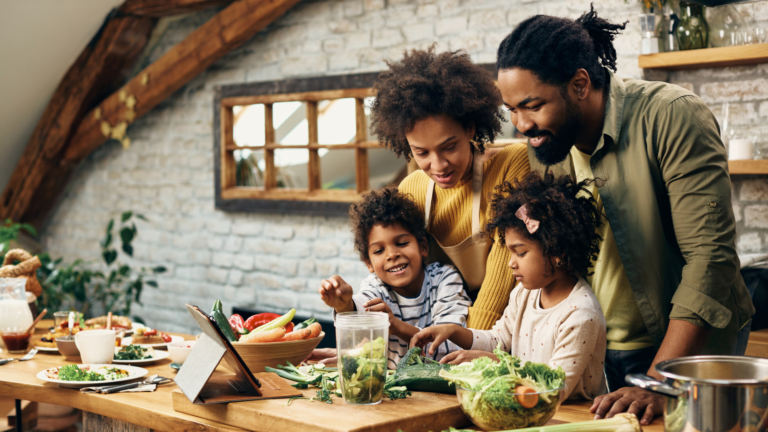
  1. Involve everyone in meal planning and preparation: Encourage family members to participate in choosing recipes, shopping for groceries, and preparing meals.
  2. Cook together as a family: Make cooking a fun and engaging activity for everyone, fostering healthy habits from a young age.
  3. Establish healthy eating routines: Set regular mealtimes and encourage mindful eating habits.
  4. Make healthy snacks readily available: Keep healthy snacks, such as fruits, vegetables, and nuts, on hand to avoid unhealthy temptations.
  5. Limit screen time during meals: Encourage family conversations and promote an enjoyable mealtime experience.
  6. Lead by example: Children are more likely to adopt healthy habits if they see their parents making healthy choices.

Embracing a Healthy Lifestyle

In addition to dietary choices, adopting an overall healthy lifestyle is crucial for Black families. Regular physical activity, adequate sleep, and stress management practices can significantly improve overall health and well-being. Encourage family members to participate in regular physical activities they enjoy, establish a consistent sleep schedule, and find healthy ways to manage stress, such as exercise, meditation, or yoga.

Conclusion

Nourishing our bodies with wholesome, nutritious food is an essential step towards achieving optimal health and well-being. By making informed dietary choices, adapting traditional dishes, and fostering a culture of healthy eating within the family, Black families can break the cycle of chronic health conditions and pave the way for a healthier future. Remember, food is not just about sustenance; it’s about nurturing our bodies, celebrating our heritage, and creating lasting memories around the table. Together, we can build a future where Black families thrive, empowered by the knowledge and support to make informed choices for themselves and their loved ones. Let’s embrace eating for wellness, not just for survival, and cultivate a legacy of health and vitality that will nourish generations to come.

The Power of Community: Building Collective Wellness in Black Communities

In the tapestry of human existence, community stands as a fundamental thread, weaving together individuals into a cohesive social fabric. This intricate network of shared experiences, values, and aspirations serves as a bedrock of support, resilience, and collective progress. For Black communities, the power of community holds even greater significance, offering a sanctuary of empowerment, healing, and collective wellness amidst a history of marginalization and struggle.

The Legacy of Community in Black Culture

Throughout history, Black communities have demonstrated an unwavering spirit of unity, forged in the fires of adversity. From the vibrant cultural traditions of West Africa to the unwavering support networks of the Civil Rights Movement, Black communities have consistently turned to each other for strength, solace, and inspiration. This deep-rooted sense of community has been a lifeline, providing a sense of belonging, shared purpose, and unwavering support in the face of oppression and inequity.

The Impact of Community on Health and Wellness

The power of community extends far beyond social connections; it profoundly impacts the overall health and wellness of Black individuals. Strong community ties have been shown to reduce stress, promote healthy behaviors, and enhance resilience in the face of adversity. Studies have consistently demonstrated that individuals who feel connected to their communities experience lower rates of chronic diseases, mental health issues, and substance abuse.

Building Collective Wellness: A Multifaceted Approach

Fostering collective wellness in Black communities requires a multifaceted approach that addresses not only individual needs but also the broader social and structural determinants of health. This approach must include:

  • Promoting Cultural Pride and Identity: Celebrating the rich cultural heritage and traditions of Black communities instills a sense of pride, belonging, and shared identity, which are essential foundations for collective wellness.
  • Enhancing Access to Quality Healthcare: Addressing disparities in healthcare access and ensuring culturally competent care are crucial steps towards improving the overall health of Black communities.
  • Creating Safe Spaces for Mental Health Support: Fostering open dialogue about mental health, reducing stigma, and providing culturally sensitive mental health services are essential for addressing the mental health needs of Black individuals.
  • Promoting Economic Empowerment: Investing in job creation, education, and financial literacy programs can help alleviate the economic burdens that disproportionately affect Black communities and contribute to poor health outcomes.
  • Encouraging Healthy Lifestyle Choices: Providing access to affordable healthy food, promoting physical activity, and addressing substance abuse issues are critical steps towards promoting healthier lifestyles in Black communities.

The Role of Community-Based Organizations

Community-based organizations (CBOs) play a pivotal role in fostering collective wellness in Black communities. These organizations are deeply embedded in the fabric of their communities, possessing a unique understanding of the needs, challenges, and strengths of their constituents. CBOs can provide a range of services, including:

  • Health education and promotion: Providing culturally tailored health information and promoting healthy behaviors through workshops, outreach programs, and community events.
  • Mental health support: Offering culturally sensitive counseling, support groups, and mental health resources to address the mental health needs of community members.
  • Social support services: Providing assistance with basic needs, such as food, housing, and transportation, can alleviate stress and improve overall well-being.
  • Advocacy and policy change: Advocating for policies and programs that address the social and structural determinants of health that disproportionately affect Black communities.

Examples of Collective Wellness Initiatives

Numerous examples of collective wellness initiatives are demonstrating the transformative power of community-based approaches to health and well-being. These initiatives include:

  • Urban farming projects: Fostering access to fresh, healthy food by creating and supporting community gardens and urban farms.
  • Wellness workshops and programs: Offering culturally tailored workshops on topics such as nutrition, physical activity, stress management, and mental health.
  • Peer support networks: Creating safe spaces for individuals to connect, share experiences, and offer mutual support.
  • Mentorship programs: Connecting young people with experienced mentors who can provide guidance, support, and opportunities for personal growth.
  • Community-based health clinics: Providing accessible, culturally competent healthcare services tailored to the specific needs of the community.

The Road Ahead: Embracing Collective Wellness

The journey towards collective wellness in Black communities is not a destination but an ongoing process that requires continuous adaptation, collaboration, and investment. By harnessing the power of community, we can create environments where Black individuals feel empowered, supported, and equipped to thrive. Together, we can build a future where collective wellness becomes the norm, enabling Black communities to flourish and reach their full potential.

Creating a Healthier Home Environment: Tips for Black Families

The home environment plays a crucial role in shaping the overall health and well-being of families. It is a place where we eat, sleep, relax, and spend quality time with loved ones. Creating a healthy home environment can have a positive impact on physical, mental, and emotional health, especially for Black families who may face additional challenges due to socioeconomic disparities and historical inequities.

1. Prioritize Nutrition

A healthy diet is essential for maintaining overall health and preventing chronic diseases. Encourage home-cooked meals using fresh, whole foods, such as fruits, vegetables, whole grains, and lean proteins. Limit processed foods, sugary drinks, and unhealthy fats.

2. Encourage Physical Activity

Regular physical activity is crucial for maintaining a healthy weight, reducing the risk of chronic diseases, and improving overall fitness. Find activities that everyone enjoys, such as walking, biking, dancing, or playing sports. Make physical activity a fun family activity.

3. Promote Sleep Hygiene

Adequate sleep is essential for physical and mental health. Establish a regular sleep schedule and stick to it as much as possible. Create a relaxing bedtime routine that includes avoiding screens an hour before bed, dimming lights, and keeping the bedroom cool and dark.

4. Manage Stress Effectively

Stress can negatively impact both physical and mental health. Find healthy ways to manage stress, such as meditation, yoga, spending time in nature, or engaging in hobbies. Encourage open communication and emotional expression within the family.

5. Cultivate a Supportive Environment

A supportive home environment fosters positive mental health and well-being. Encourage open communication, active listening, and mutual respect among family members. Celebrate successes and provide support during challenging times.

6. Minimize Environmental Toxins

Limit exposure to environmental toxins, such as secondhand smoke, lead paint, and pesticides. Ensure proper ventilation in the home, regularly clean surfaces, and store hazardous materials safely.

7. Seek Professional Help When Needed

Don’t hesitate to seek professional help when needed. Mental health conditions are common and treatable. Seek support from a therapist, counselor, or other mental health professional if you or any family member is struggling.

Remember, creating a healthy home environment is an ongoing process that requires consistent effort and adaptation. By incorporating these tips, Black families can foster a healthier home environment that supports the well-being of all members.

The Impact of Socioeconomic Disparities on Black Health: A Call for Equitable Solutions

In the tapestry of American society, a stark pattern of health disparities emerges, with Black individuals facing a disproportionate burden of disease and premature death compared to their white counterparts. This disparity is not a matter of chance but a consequence of deeply entrenched socioeconomic inequalities that have shaped the lives of Black individuals for centuries.

The Legacy of Structural Inequities

The roots of health disparities for Black communities can be traced back to the historical legacy of slavery, segregation, and discrimination. These injustices have created a system of inequities that permeates every aspect of society, from housing and education to employment and healthcare. As a result, Black individuals are more likely to face poverty, unemployment, and food insecurity, all of which contribute to poorer health outcomes.

Poverty: A Root Cause of Health Disparities

Poverty is a pervasive issue that disproportionately affects Black communities. According to the U.S. Census Bureau, in 2021, the poverty rate for Black individuals was 17.2%, nearly double that of white individuals (8.3%). Poverty limits access to healthy food, safe housing, quality education, and preventive healthcare, all of which are essential for optimal health.

Limited Access to Healthcare

Black individuals also face significant barriers to accessing quality healthcare. Mistrust of the healthcare system, stemming from historical experiences of discrimination and medical maltreatment, can lead to delayed or avoided care. Additionally, Black individuals are more likely to live in areas with limited access to healthcare providers and facilities.

The Impact on Health Outcomes

These socioeconomic disparities have a profound impact on the health of Black communities. Black individuals are more likely to experience chronic diseases such as heart disease, stroke, diabetes, and asthma. They are also more likely to die from these diseases at younger ages.

Mental Health: A Hidden Struggle

The impact of socioeconomic disparities extends beyond physical health to mental well-being. Black individuals are more likely to experience depression, anxiety, and other mental health conditions. Yet, they are less likely to receive mental health treatment due to stigma, lack of culturally competent care, and financial barriers.

Addressing the Disparities: A Call for Action

Achieving health equity for Black communities requires a multifaceted approach that addresses the root causes of disparities and promotes access to quality healthcare. This approach must include:

  • Addressing Social and Structural Inequities: Eliminating discriminatory policies and practices in housing, education, employment, and criminal justice. Investing in economic development and job creation in Black communities. Expanding access to affordable and nutritious food. Improving access to quality housing and transportation.
  • Promoting Culturally Competent Healthcare: Increasing the number of culturally competent healthcare providers. Providing culturally tailored health education and promotion. Building trust between Black communities and the healthcare system.
  • Addressing Mental Health Needs: Recognizing the impact of historical trauma and discrimination on mental health. Providing culturally competent mental health services. Addressing stigma associated with mental health in Black communities.
  • Empowering Black Communities: Supporting community-based organizations that promote health and wellness. Encouraging Black individuals to advocate for their health needs. Promoting leadership and decision-making roles for Black individuals in healthcare and public health.

A Collective Journey Towards Health Equity

Achieving health equity for Black communities is a collective journey that requires commitment and collaboration from all sectors of society. By addressing the root causes of disparities, promoting culturally competent healthcare, and empowering Black communities, we can begin to bridge the gap and create a healthier future for all.

Remember, health equity is not just a moral imperative; it is also essential for the overall well-being of our society. When everyone has the opportunity to reach their fullest potential in health, our communities and our nation as a whole will thrive.